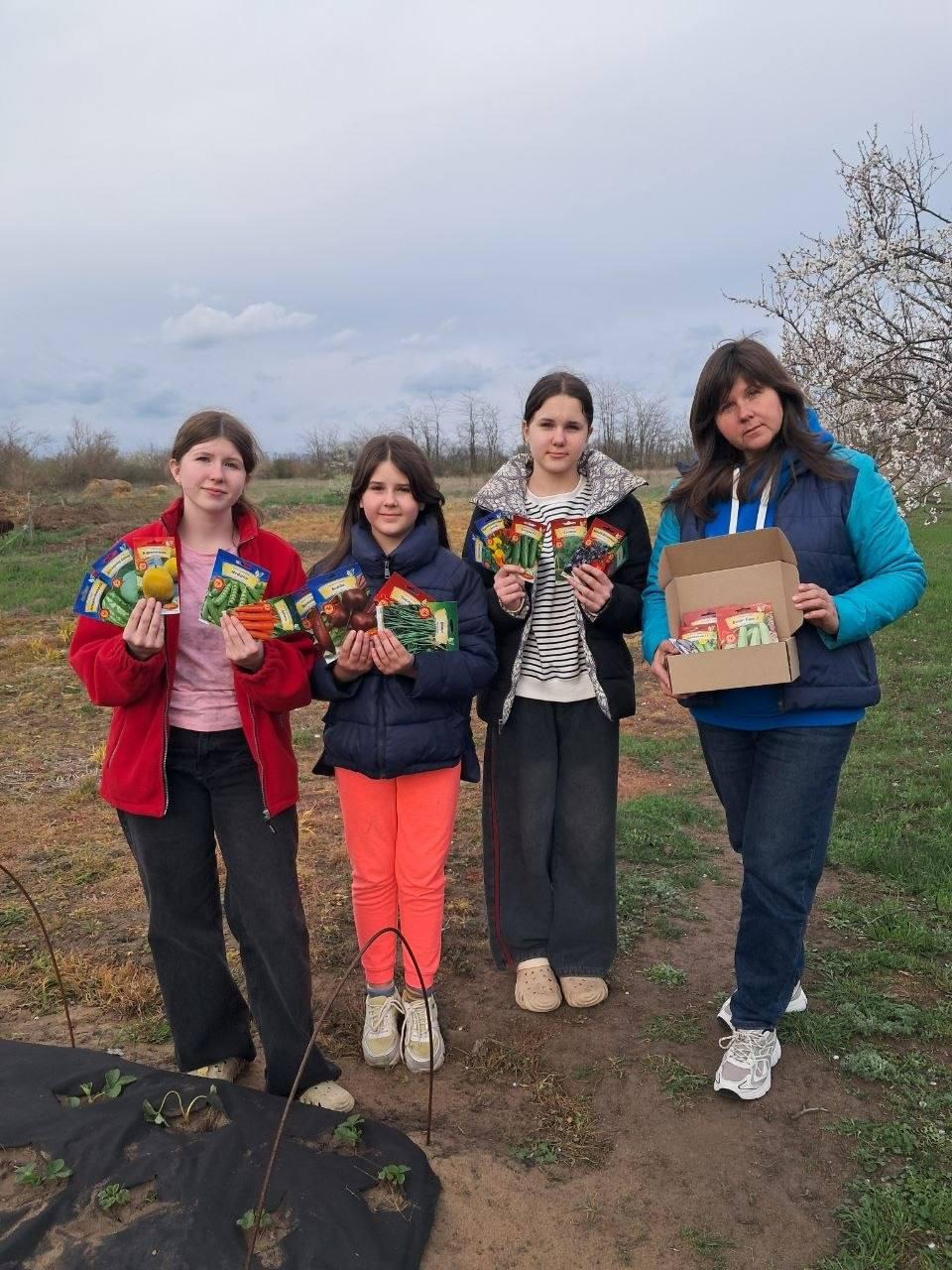
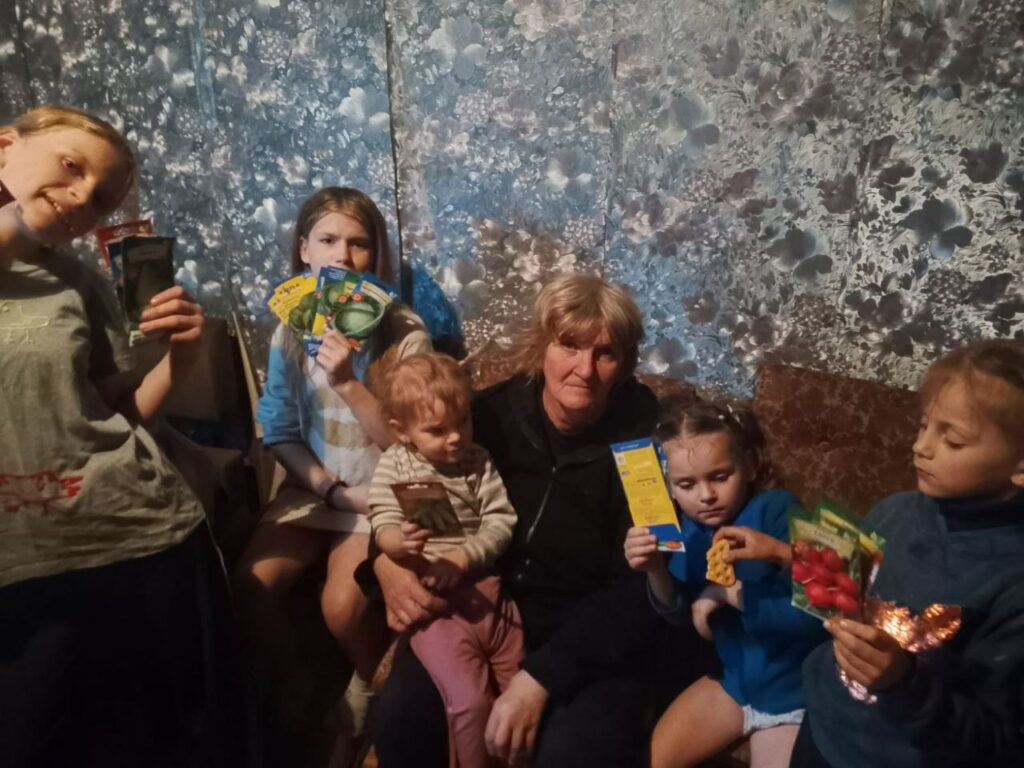
The Nedohybchenko family is a large and close-knit family united by love, mutual support, and a deep sense of responsibility for one another.
Viktor and Tetiana Nedohybchenko have raised five children who are now adults. Even today, their home remains a place where the extended family gathers, supports each other, and overcomes challenges together.
The family has endured a profound loss — their son Pylyp was killed while defending Ukraine. This is an irreparable tragedy that has left deep pain in the hearts of all family members. Despite this, they find the strength to move forward, supporting one another and preserving the memory of their son and brother.
Living together with Viktor and Tetiana is their son Bohdan, along with his wife Valentyna and their eight children. Thus, several generations share one home, and the family’s daily life revolves around caring for a large number of children.
The family makes significant efforts to provide the children with everything they need — food, clothing, education, and proper conditions for development. At the same time, supporting such a large household is a serious challenge, especially in the context of war and economic instability.
Despite the loss, pain, and difficult life circumstances, the Nedohybchenko family remains strong and united. They continue to build their lives, raise children in love and mutual respect, and pass on the values of family, support, and faith.
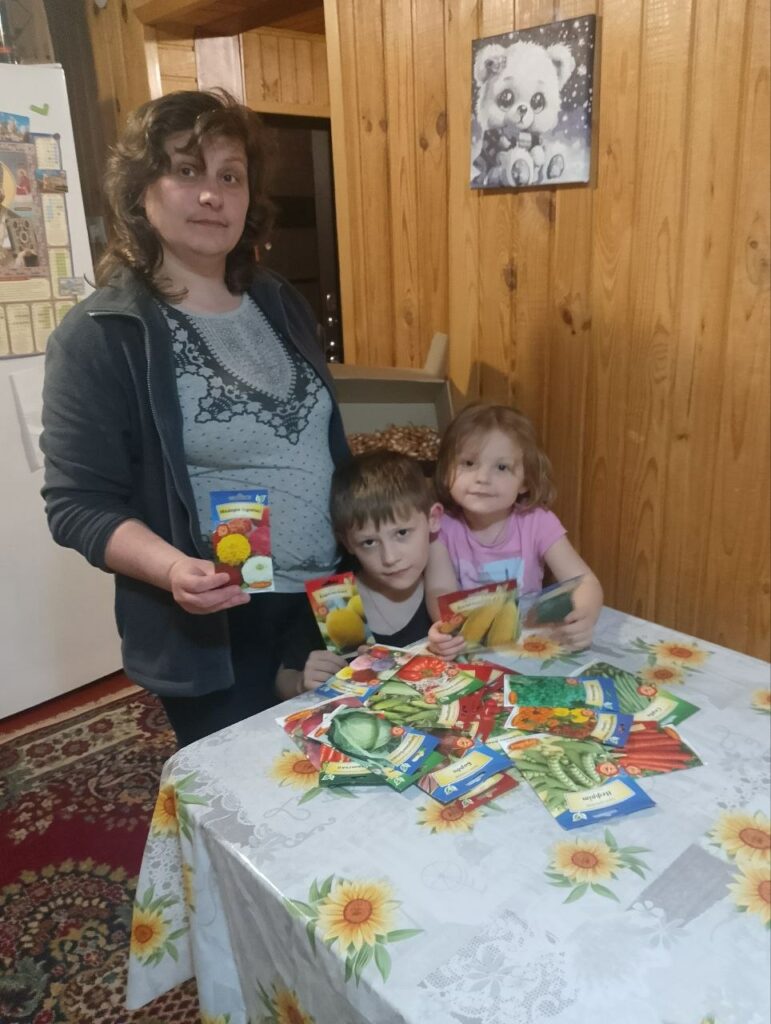
The Holubovskyi family is a young family that faces life’s challenges every day while remaining united and strong.
Viktoriia and Anatolii are raising three children, giving each of them as much attention, care, and love as possible. They strive to create a safe and stable environment for their children despite the difficulties they encounter.
Their middle son requires special attention due to orthopedic health issues. This involves ongoing medical supervision, additional expenses, and constant parental support.
The youngest daughter, Arina, was born prematurely — in the sixth month of pregnancy. The first months of her life were challenging and required significant effort from her parents. Today, however, Arina attends kindergarten, continues to develop, and brings joy to the family with her progress.
The family’s daily life is centered around caring for the children’s health, development, and well-being. Despite all the challenges, Viktoriia and Anatolii are doing everything they can to ensure their children grow up in an atmosphere of love, support, and confidence in the future.
During our visits to villages where we distributed seeds to families with children, we had an unexpected encounter that left a lasting impression on our team.
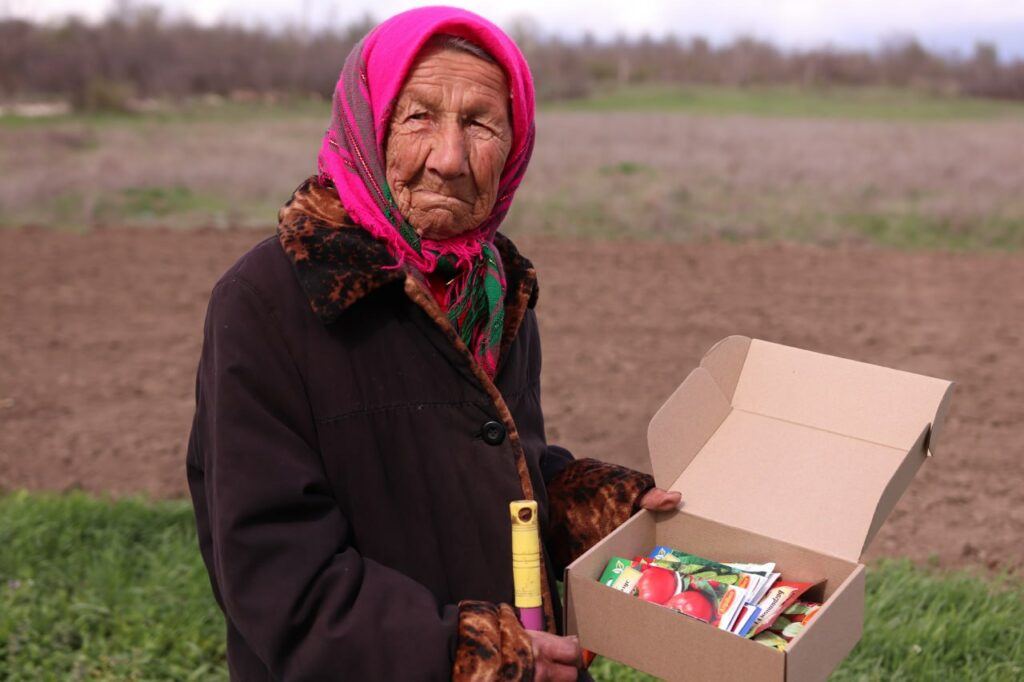
We met Maria — a woman working quietly in her field. As we spoke with her, we learned that she had just turned 100 years old in February.
Despite her remarkable age, Maria continues to tend her land on her own, with steady hands and quiet determination. We could not pass her by. We sat with her, listened to her story, and made sure she received seeds too.
This meeting became a powerful reminder of what resilience truly looks like — not in grand gestures, but in an elderly woman, alone in her field, still nurturing the earth that has carried her through a century of life.
It is moments like these that remind us why this work matters.
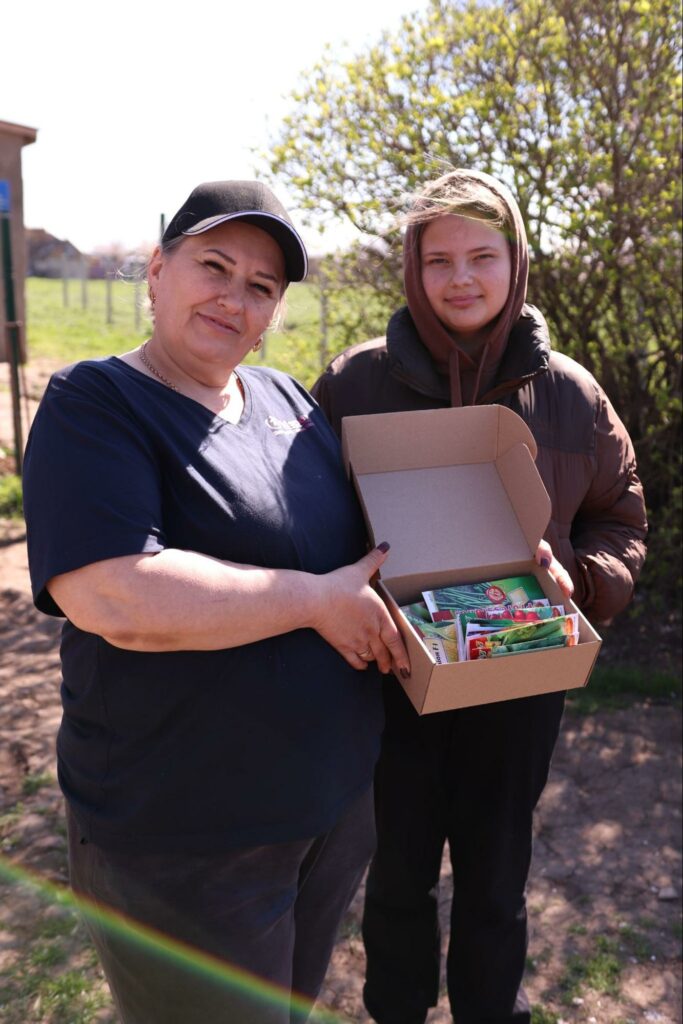
Svitlana is a single mother raising her daughter. She works, but rural life comes with its challenges, and her income often falls short of covering all their needs.
For her, a kitchen garden is not just a tradition — it’s a vital resource for survival. With the seeds she received, she was able to plant her plot and provide her family with vegetables.
This support gave Svitlana confidence in tomorrow and helps her better care for her daughter.
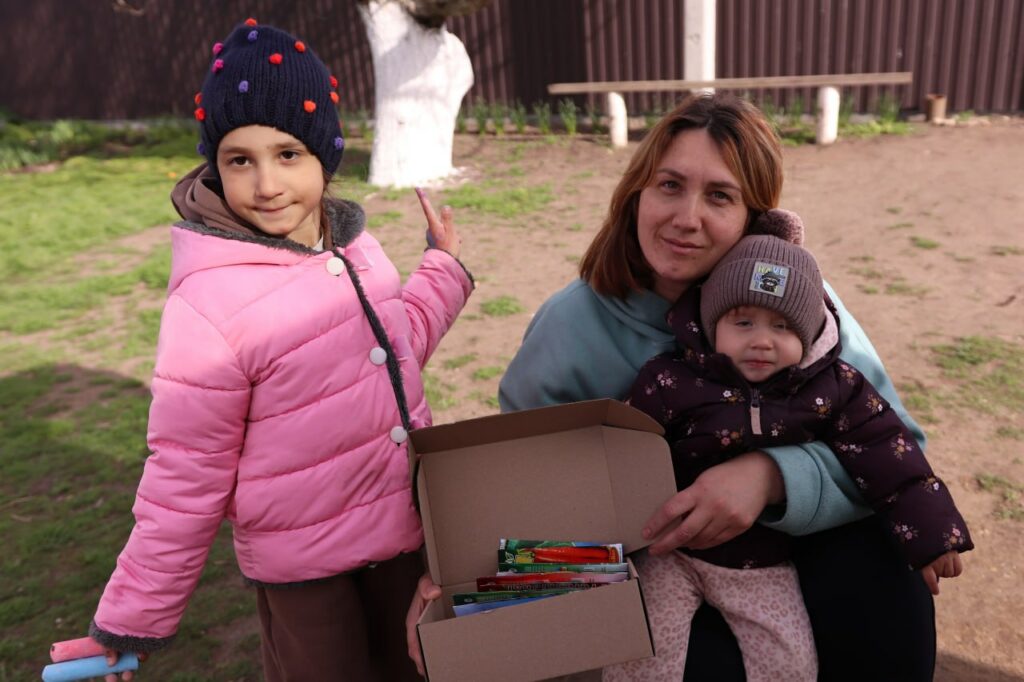
Tetyana is a mother of five children. Her family went through a difficult crisis when the children were temporarily removed from the home due to hard circumstances.
Today they are rebuilding their lives step by step: they have bought a house, reunited with their children, and are starting over from scratch. For such a large family, putting food on the table is a pressing concern.
The planting seeds they received are a meaningful form of support — a chance to grow their own food, reduce expenses, and build a more stable and secure life for their children.
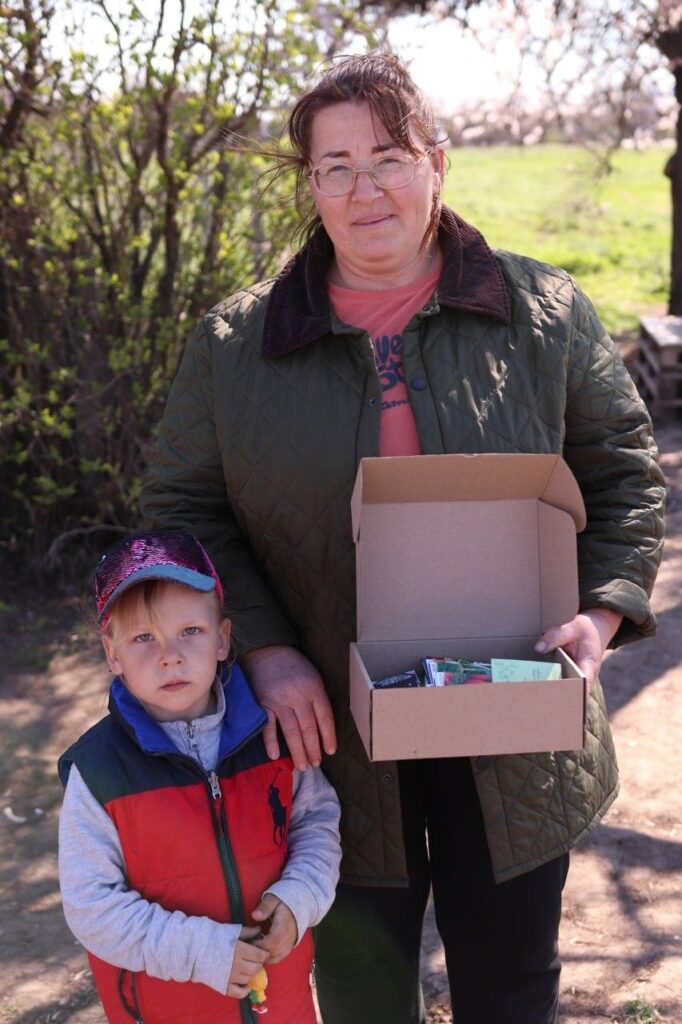
Olena is a mother of three who evacuated with her family due to the war. Their home was damaged, but in 2023 they found the courage to return. Today Olena works for a local farmer, and the family also runs a small household plot — their main source of sustenance.
The village of Lyubomyrivka, Mykolaiv region, has almost no work besides field labor, and there is not even a school. This makes the ability to grow a garden critical for their survival.
The planting seeds they received are real, practical support — not just aid, but a chance to grow food for their children and find some stability in difficult conditions.
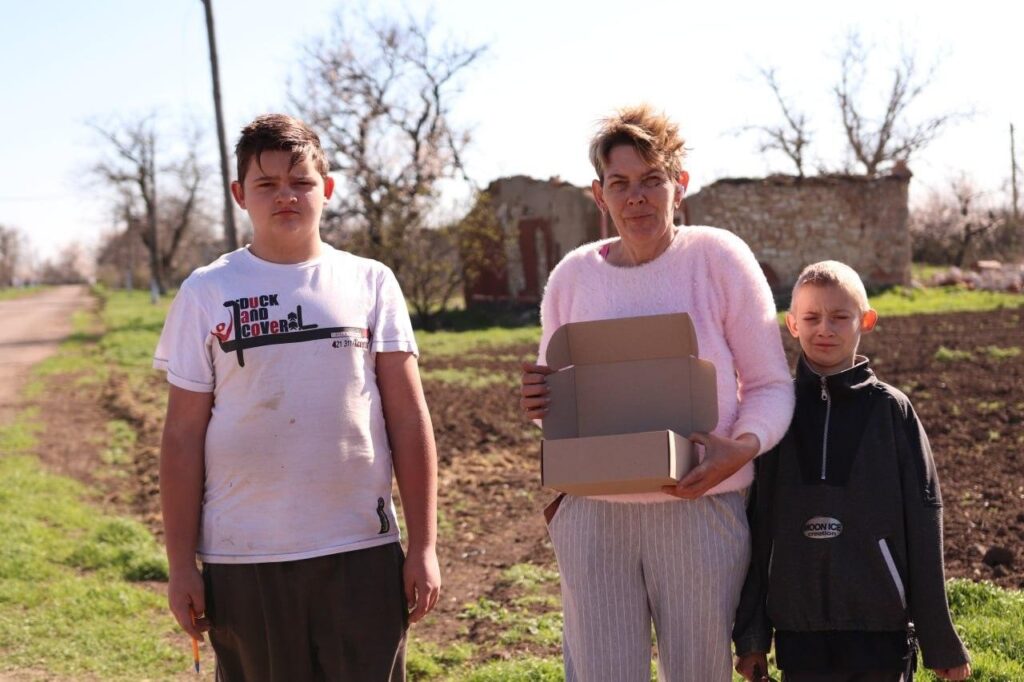
Olena is a mother of many children living in the village of Zorya, Mykolaiv region. The village has been de-occupied, and the family has returned to a home that still needs restoration. One of her children has a disability.
There is no work in the village, so growing vegetables is a real opportunity to bring in extra income and provide fresh, healthy produce for her kids.
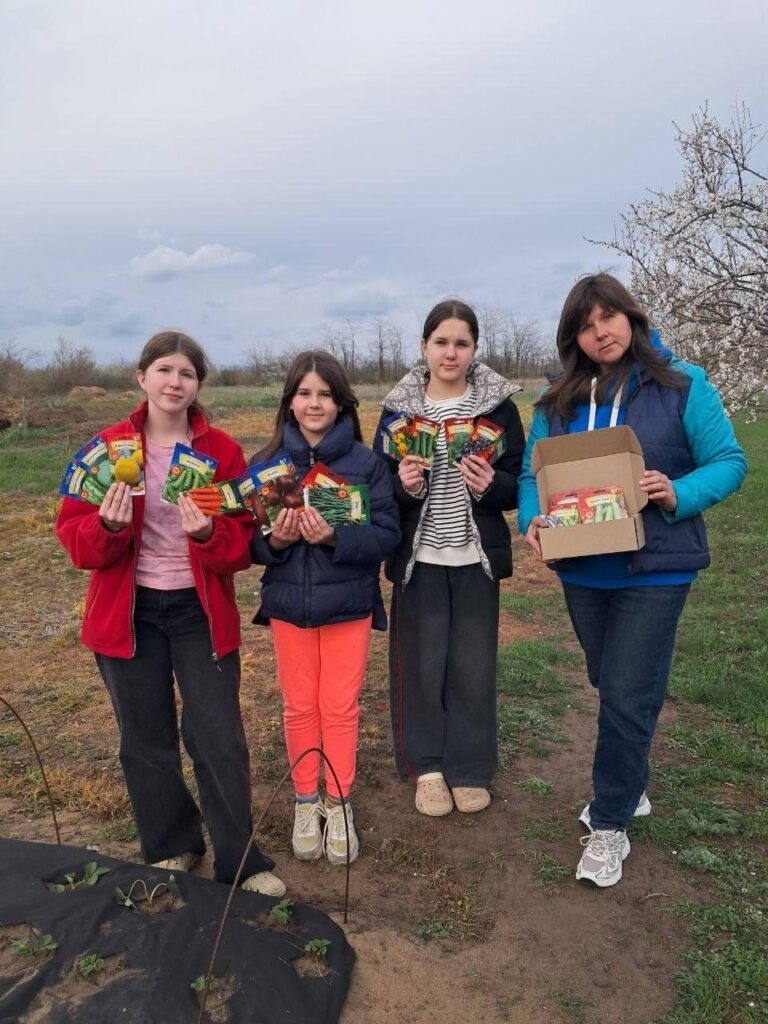
Tetyana is an internally displaced person from Kherson. Returning home remains too dangerous, so she and her four daughters have found shelter in the small village of Zaivy in Mykolaiv region.
The war has taken much from her. But amid the pain and uncertainty, she discovered a new love — a love for the land. For the second year in a row, she tends her small garden, growing her own vegetables, learning, experimenting, and picking up new gardening skills. Slowly, she is restoring not just her daily life, but her inner peace.
For Tetyana, a box of seeds means more than just assistance. It is a sign that she is not alone — flowers, a variety of vegetables, and a little piece of someone’s care. A small hope that sprouts alongside the first seedlings.
And when she sees a tender shoot rising from the soil, planted by her own hands, she comes alive again — walking her path through loss, one step at a time, toward healing.
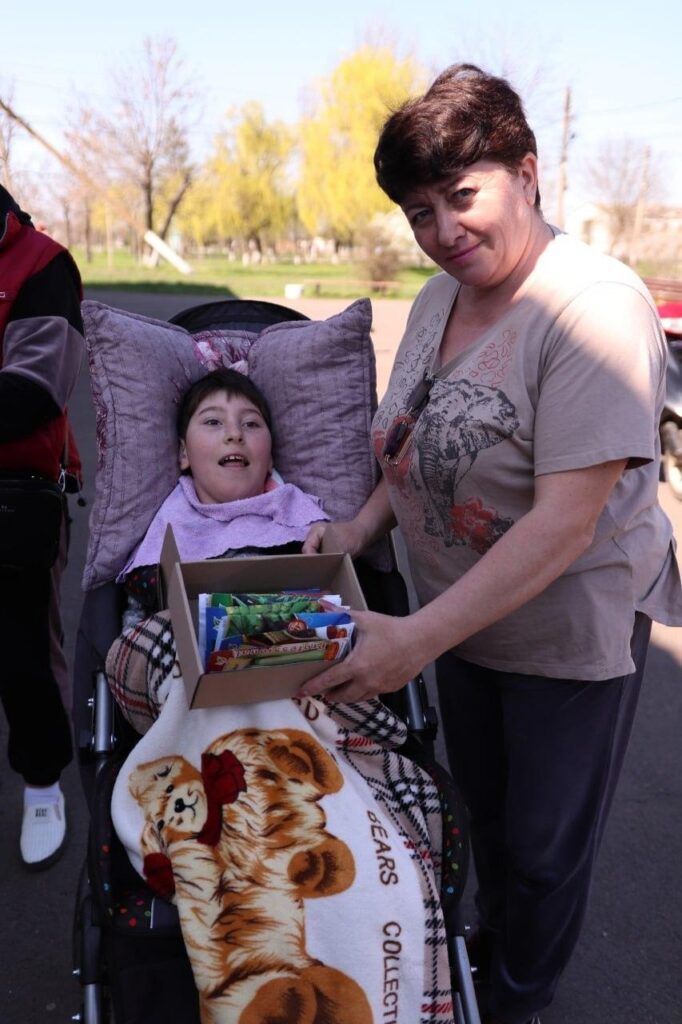
Svitlana is raising a child with a disability who has limited mobility. She has spent her whole life in the village, and working in the garden is not just a necessity — it’s also a kind of therapy, a quiet moment alone with her thoughts.
She hopes for a good harvest to give her daughter nourishing, homegrown vitamins straight from the garden.